 Skip to content
Knee Pain Chiropractor in Tampa, FL
A knee that aches on stairs, nags after a squat, or throbs the day after a run usually is not a knee problem — it is a load problem traveling through the joint.
Lifehack Wellness Chiropractic approaches knee pain relief in Tampa by reading chronic knee pain upstream: how the spine, hips, and feet feed movement into the knee. Correct the mechanics that send uneven load down the leg, and the joint stops absorbing what it should not.
Chronic Knee Pain and the Squat — A Quick Structural Breakdown
Why Tampa Knee Pain Patients Land Here
Most people who come in for knee pain relief in Tampa have already iced it, braced it, and rested it. If it keeps switching back on, these are the patterns that point upstream:
- Your squat feels off, not just your knee
- Stairs and slopes flare one side more than the other
- Imaging looked clean but the knee pain keeps returning to the same spot
- Traditional knee work gave a short window of relief, then the same restriction came back
Curious how patients describe the change? Read Tampa chiropractic reviews.
Ready to get on the schedule? Grab the next available appointment online.
Three Knee Pain Profiles That Point Upstream
Most Tampa knee pain we see fits one of these three profiles — and in each, the real driver of the knee pain is almost always living somewhere other than the knee itself.
Profile 1: The Stair-Decline Ache
Going down stairs or a parking garage ramp is consistently worse than going up. This stair-driven knee pain shows up because the knee is absorbing load the hip and ankle are not sharing.
Profile 2: The Lateral Wobble
The knee drifts inward on squats, lunges, or single-leg stance. Knee pain follows a day or two later, usually on the inside or behind the kneecap.
Profile 3: The Post-Activity Stiffener
The knee feels fine during a run, hike, or long walk — then locks up overnight and takes the next morning to loosen.
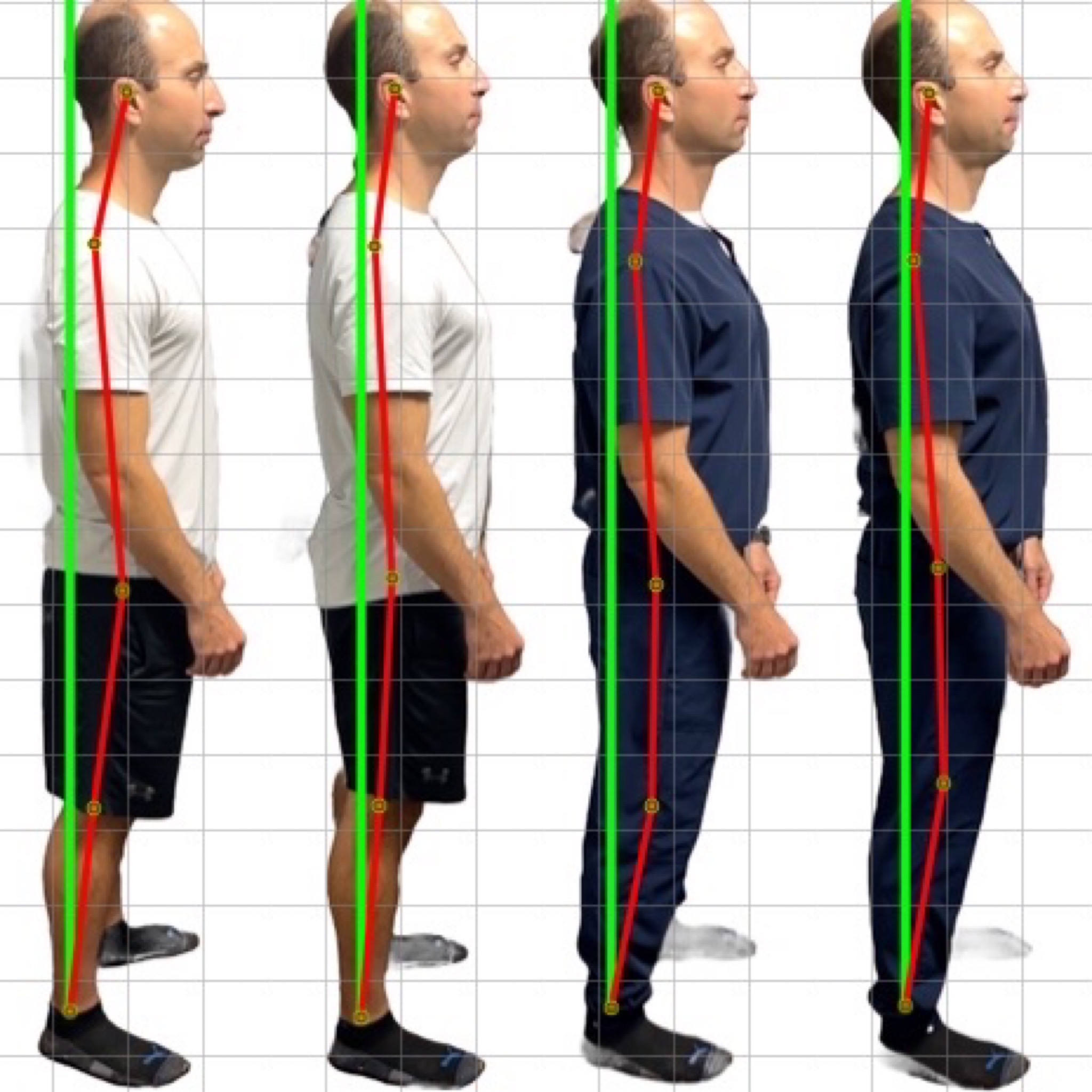
Walking Through Your Tampa Knee Pain Intake
Step 1: Movement + Load Interview
We map when the knee pain flares — stairs, squats, long walks, first steps in the morning — and what you have already tried for it.
Step 2: Gait, Hip, and Ankle Screen
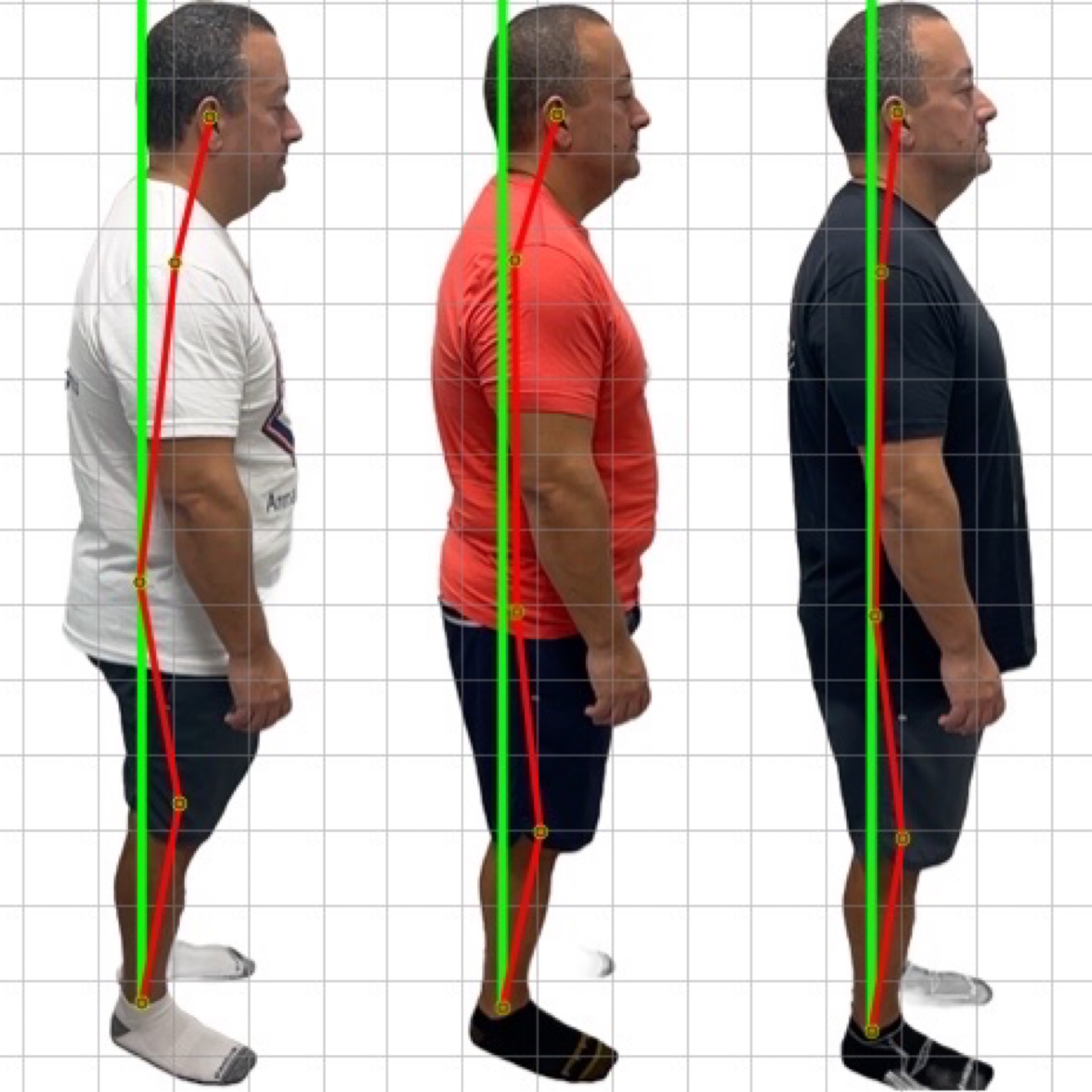
A Moti Physio motion capture tracks how weight travels from foot to hip, where the knee is getting shortchanged, and which joint above or below is actually driving the pattern.
Step 3: Knee-Specific Benchmark Plan
Before you leave, you have a written knee pain plan with squat depth, stair tolerance, and run-load markers. Progress is measured against those numbers, not a general feel-better check-in.
What You Walk Out With
- The upstream segment most likely driving the knee pain identified
- A noticeable shift in how weight sits through the leg on exit
- Clear guidance on what to keep doing and what to pause at home
Want to know how the first appointment runs before you come in? See your first chiropractic visit in Tampa — what to expect.
Everyday Tampa Activities That Quietly Overload Knees
A lot of Tampa knee pain traces back to ordinary daily load, not a single injury. These everyday habits quietly feed the knee pain pattern we correct.
Downhill Stairs and Parking Garages
Descending loads the knee at three to four times body weight per step. When the hip or ankle is not sharing, the knee absorbs the whole bill and the knee pain shows up by evening.
Weekend Miles on Bayshore and Flatwoods
Long, repetitive mileage on a pattern that is already off-balance turns small compensations into nagging joint symptoms.
Standing, Pivoting Workdays
Hospitality, service, and trade work means constant loading and turning — if one hip rotates more than the other, the knee on that side pays.
Squats Without a Structural Base
Heavy or high-volume squats on top of a spine or pelvis that is not tracking well is usually what turns a quiet knee issue into loud knee pain. Training often? Pair care with athletic performance care.

If a Different Joint or Symptom Needs Attention First
If the knee is not the loudest part of the pattern, start with whichever symptom is most disruptive:
- Sciatica and joint pain relief in Tampa when pain is travelling from the low back into the leg
- Back pain treatment in Tampa when the lumbar spine is the loudest complaint
- Herniated or bulging disc treatment in Tampa if numbness, tingling, or nerve-pattern symptoms are involved
- Posture correction in Tampa for daily collapse patterns that feed into the hips and knees
Helpful Links Before Booking
- Tampa office hours, directions, and parking
- Florida ABC clinic locations — if another office is closer
- Provider background and clinic overview
- Seven signs it's time to see a chiropractor in Tampa
FAQ: Knee Pain Chiropractic in Tampa
Why does my knee hurt more going down stairs than going up?
Descending loads the knee at several times body weight per step, and the hip and ankle have to share that load for the knee to handle it comfortably. When the pelvis or lower back is displaced, that sharing breaks down and the knee absorbs the excess — which is why downhill almost always hurts before uphill does.
Can a knee problem actually be coming from my hip or lower back?
Yes — more often than not. The knee is a hinge sitting between two ball-and-socket joints. When the hip, pelvis, or lumbar spine move unevenly, the knee compensates first and complains last. Imaging frequently looks clean on the knee while the cause lives upstream.
Is chiropractic safe if I have meniscus, ligament, or cartilage damage?
Usually, yes — ABC corrections are not performed on the injured structure itself. The adjustment targets the upstream segments that are overloading the joint. If imaging or an orthopedic exam indicates surgery is warranted, we say so directly rather than working through it.
How is ABC different for knee pain than a standard adjustment?
Standard chiropractic often works directly on or near the knee with mobilization and soft tissue work. ABC looks at the forward-displaced segments the body cannot pull back on its own and corrects those — because the knee will keep absorbing uneven load until the upstream pattern changes.
Should I stop squatting, running, or training while we work on the knee?
Rarely. In most cases you keep moving, with specific load adjustments we set at intake. Complete rest is only recommended if imaging or exam findings call for it. The goal is to re-teach the knee how to carry load, not to avoid load altogether.
How many visits before the knee feels stable under real activity?
Most patients notice the first change — easier stairs, less morning stiffness, cleaner squat depth — inside the opening two to four visits. A long-standing pattern that has been brewing for years settles over a longer corrective phase, with specific benchmark checks along the way.
Do I need an MRI or referral before booking?
No referral is required to start. If you already have imaging, bring it. If we see anything at the intake exam that needs imaging or orthopedic input first, you'll leave with that recommendation rather than an adjustment. Schedule online or call 813-340-5708.
Why does my knee hurt when I bend it or kneel down?
Knee pain that bites when you bend deep, kneel, or squat usually means the joint is tracking under uneven load instead of gliding cleanly. When the hip and ankle do not share the bend, the kneecap and the tissue around it take the brunt. Correcting the upstream pattern that skews that load is what tends to settle bend-and-kneel knee pain for good, rather than just calming the latest flare.
Who should you see for knee pain in Tampa?
For knee pain in Tampa with no red flags — no sudden buckling, locking, or major swelling — a structural chiropractor is a reasonable first stop, because so much chronic knee pain is a load-and-alignment problem rather than damage inside the joint. If the exam points to a tear, advanced arthritis, or a case headed for surgery, we say so and refer you to the right orthopedic provider instead of working around it.
Real Tampa Knee Patients — Real Results
Over 1,000 structural transformations completed at this Tampa clinic — every review five stars.
Visit Our Tampa Knee Pain Clinic
Lifehack Wellness Chiropractic — 1355 W Gray St Suite B, Tampa, FL 33606. Get directions