 Skip to content
Back Pain Chiropractor in Tampa, FL
Most people living with recurring lower back pain in Tampa have already tried adjustments, massage, or physical therapy — and the same spot keeps coming back. There is a mechanical reason: no muscles on the back of the spine can pull a forward-displaced vertebra into place.
Once that bone shifts, surrounding segments compensate to keep the body upright under gravity. Those overloaded compensation points are where chronic back pain, spasm, and tightness actually live. Advanced BioStructural Correction (ABC) corrects those forward vertebrae directly — the only method that addresses what the body cannot fix on its own. That is the full basis of back pain care at Lifehack Wellness Chiropractic in Tampa.
The Forward Bone Problem — Explained
What This Video Breaks Down
This short video explains the biomechanical reason that back pain keeps rebuilding — the forward-slipping bone that has no muscular mechanism to reverse it, and why the body's compensation response is where most chronic pain originates.
- Why the same spot always flares up — and why it is structural, not random
- Why traditional adjustments produce short-lived relief and what ABC does differently
Hear what patients say about care at this Tampa clinic on our patient testimonials page.
Why Back Pain Keeps Rebuilding After Treatment
Recurring low back pain follows a predictable structural logic, and lasting treatment depends on reading it correctly. Understanding it explains both why conventional treatment falls short and why ABC produces lasting change.
The Original Fault
- Vertebra slips forward under gravity and load
- No muscle on the back of the spine can pull it back
- Stays displaced — often undetected for years before pain appears
The Compensation Chain
- Spine rearranges surrounding segments to stay upright
- Those segments become chronically overloaded
- Tightness, spasm, and pain surface here — not at the original fault
What ABC Changes
- Corrects only the vertebrae the body cannot reposition on its own
- Reduces demand on the overloaded compensation segments
- Spine stabilizes instead of reverting to the same pain pattern

Who Back Pain Care at Lifehack Wellness Is Built For
The Typical Patient History
- Traditional chiropractic helped initially, then stopped holding between visits
- Massage brings a day or two of relief before the same areas tighten back up
- Core strengthening built strength but did not change the underlying pain pattern
- Rest and anti-inflammatories managed flare-ups without addressing what triggers them
When relief stops accumulating, the issue is almost always structural — and that is the point where working with a back pain chiropractor in Tampa on root-cause correction changes the trajectory. See how we build care plans at our Tampa pain relief care overview.
Back Pain Patterns This Approach Addresses
- Chronic muscle spasms that return to the same spot every time
- Pain that appeared suddenly without a clear injury or cause
- Discomfort that worsens significantly during prolonged sitting or standing
- Lingering tightness from an old injury that never fully cleared
How Progress Builds Through ABC Back Pain Care
Early Phase — First Changes
- Deeper breathing and reduced morning stiffness often appear before pain fully clears
- Primary forward vertebrae identified and addressed over the first several weeks
- Flare-up intensity typically decreases progressively as corrections hold
Long-Term — What Stability Means
- Goal is a spine stable enough to hold under daily load — not ongoing management
- As the compensation chain releases, flare-ups become less frequent and less severe
- Progress does not plateau the way traditional chiropractic often does
Patients who continue beyond active care can transition into wellness chiropractic care in Tampa.
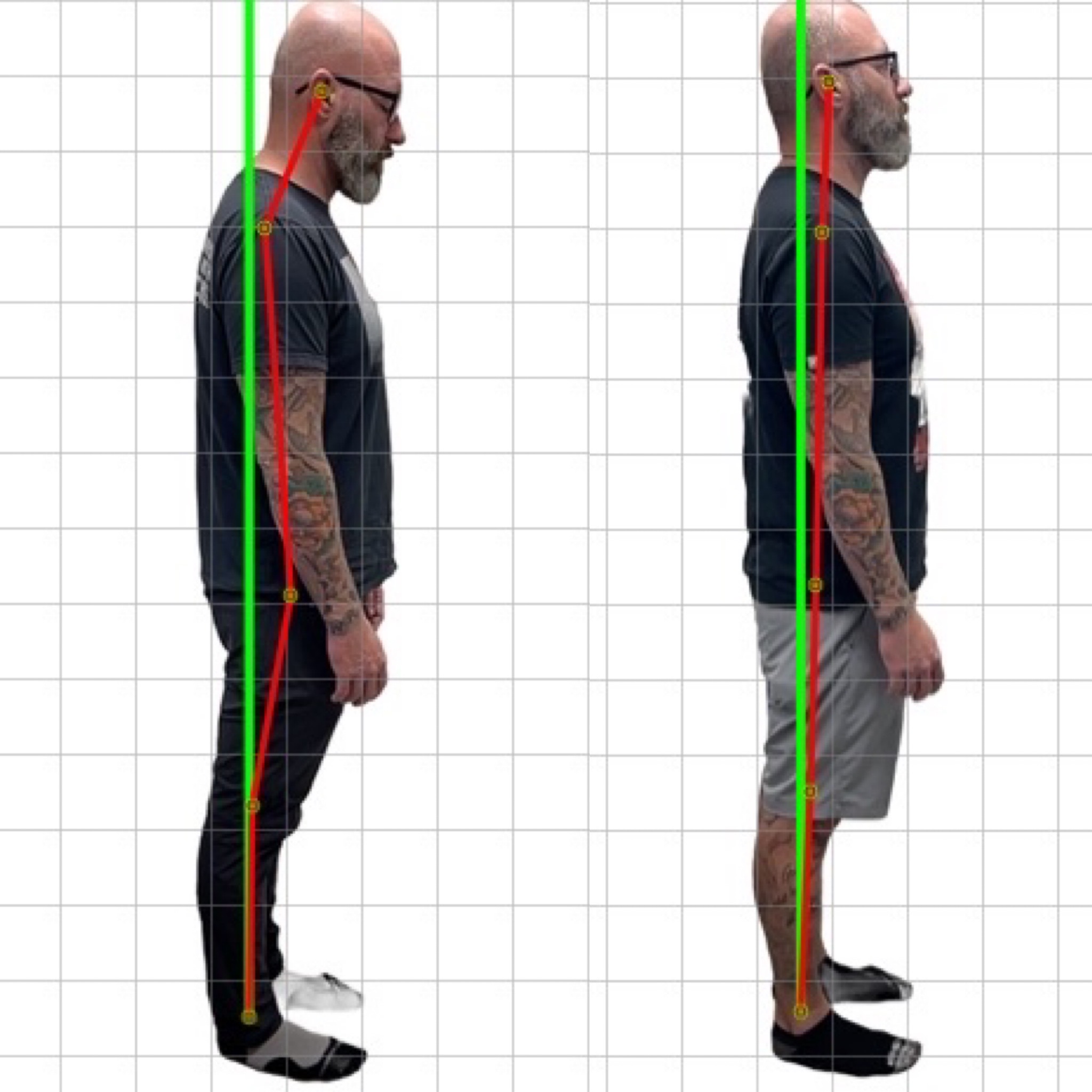
Is Your Back Pain Tied to a Specific Cause?
Back pain tied to a specific cause or diagnosis? The pages below go deeper:
Pain After a Car Accident or Injury
Our car accident and personal injury care page covers injury-specific structural assessment, documentation support, and the correction work needed when trauma is the origin of back pain.
Disc-Related or Leg-Radiating Symptoms
For back pain with radiating leg pain, known disc involvement, or sciatic-pathway symptoms, see herniated disc treatment and sciatica and joint pain relief.
Scoliosis or Spinal Curvature
When a curvature diagnosis is part of the structural picture, our scoliosis correction page covers how ABC addresses lateral spinal deviation specifically.
Upper Back or Neck Involvement
Low back pain that connects into the neck or upper spine — including whiplash-related patterns — is addressed through our neck pain and whiplash treatment page.
Where Back Pain Connects in the Rest of the Body
A forward-loaded spine rarely stays a back-only problem. When the same structural pattern feeds the hips, knees, or the way you hold yourself through a workday, these related care paths address the connected links:
- Uneven load traveling down the leg into the joint — see Knee Pain Chiropractor in Tampa.
- A spine that collapses forward by afternoon — see Posture Correction Chiropractor in Tampa.
- Lifting and training load stacking on an off-balance base — pair care with athletic performance care in Tampa.
Back Pain Questions — Answered Directly
What is the most common cause of lower back pain?
The most common cause of lower back pain is cumulative structural stress on the spine — not a single acute injury. Vertebrae that shift forward under gravity and repeated load cannot be pulled back by muscles, so surrounding segments compensate by carrying excess load. Over time, those overloaded compensation points become chronically irritated, producing the recurring tightness, spasm, and aching most people recognize. This is why lower back pain tends to return to the same location despite periods of rest or temporary treatment.
How long does lower back pain usually last?
Acute back pain from a mild strain often improves within 4 to 6 weeks. However, research consistently shows that up to 80% of people who experience an initial episode will have a recurrence within one year — and for those with an underlying structural component, pain can persist for months or years without addressing the root cause. Patients with long-standing back pain who begin ABC care at this Tampa clinic typically see consistent, progressive improvement within the first several weeks of treatment.
When should I see a chiropractor for back pain?
You should consider chiropractic evaluation when back pain lasts beyond 2 to 3 weeks, recurs repeatedly in the same area, or noticeably limits your ability to sit, stand, or perform daily tasks. Back pain that responds temporarily to treatment but always rebuilds is a particularly strong indicator that structural care is appropriate. Seek emergency medical evaluation immediately if back pain is accompanied by loss of bladder or bowel control, significant leg weakness, or numbness spreading into both legs.
Can a chiropractor help with chronic back pain?
Yes, chiropractic care can help with chronic back pain — but outcomes depend heavily on the method used. Standard adjustments provide temporary relief by reducing nerve pressure, but pain often returns when the structural pattern driving the compensation is not corrected. ABC, the method used at Lifehack Wellness, addresses the forward-displaced vertebrae the body cannot self-correct, which is why chronic patients typically see gains that compound over time rather than requiring constant maintenance to sustain.
Is it better to rest or stay active with back pain?
For most types of back pain, staying gently active is more beneficial than complete rest. Extended bed rest can weaken supporting muscles and prolong recovery. Light activity — walking, avoiding sustained positions that load the spine — is generally preferred. That said, if movement significantly increases pain intensity or produces neurological symptoms like leg numbness or weakness, have the issue evaluated before continuing activity. Structural back pain that worsens with prolonged positions is a common presentation we address directly through our Tampa pain relief care.
What Tampa Patients Are Saying
Over 1,000 structural transformations completed — 100% five-star reviews.
Find Us in Tampa
Lifehack Wellness Chiropractic — 1355 W Gray St Suite B, Tampa, FL 33606. Get directions